
AI SEO, often called answer engine optimization or AEO, means structuring your website so AI assistants like ChatGPT, Perplexity and Google’s AI Overviews can lift a direct answer from your pages and cite your clinic as the source. It rewards pages that answer one question plainly in the first 100 words, use headings phrased as real patient questions, and carry a named, credentialed author. One warning before you invest a dollar in it: an AI citation that sends a patient to a broken booking flow is wasted attention. Fix the leak first.
Patients have started asking AI assistants the questions they used to type into Google. Not just “botox near me,” but the longer, more honest versions: whether it’s safe, what a first appointment looks like, which clinic in their city they should trust. When an assistant answers, it names a small number of sources. Either your clinic is one of them or a competitor is.
This post covers what AI SEO actually is, how patient search behavior is changing, and the specific page structure that gets a med spa cited. None of it requires a new tool. Most of it is writing discipline.
What is AI SEO, and how is it different from regular SEO?
Traditional SEO competes for a position in a list of links. AI SEO competes to be the source an assistant quotes when it writes the answer itself. That changes what wins. Rankings reward domains; citations reward passages. An AI assistant doesn’t send a patient to your homepage to figure things out. It extracts the two sentences that answer the question, and it credits whoever wrote them clearly.
| Question | Traditional search | AI search |
|---|---|---|
| What the patient sees | A list of links to click through | One written answer citing a few sources |
| How patients phrase it | Short keywords (“botox miami”) | Full questions (“is botox safe for a first appointment?”) |
| What gets picked | Pages that rank on authority and links | Passages that answer: definitions, tables, direct statements |
| Who gets credited | Whoever holds the ranking | Named, credentialed sources the model trusts |
| What you optimize | Keywords and backlinks | Extractable answers, author credentials, structured data |
The two aren’t in conflict. A page built to be quotable tends to rank fine in traditional search too, because both systems are trying to surface the clearest answer. The difference is where you put the effort: AI SEO spends it on the writing and the author, not on link building.
How do patients actually use AI search to find a med spa?
They ask longer questions, earlier in the decision. A patient who would never have typed “lip filler migration risk” into Google will happily ask an assistant about it in a full sentence, then follow up 3 more times, then ask for a recommendation in her city. The research phase that used to happen across 10 open tabs now happens in one conversation, and the assistant carries context from question to question.
I won’t quote adoption percentages here, because I haven’t measured them and most published figures are vendor surveys. What I can tell you is the practical consequence: the questions patients bring to a consult are increasingly pre-answered. If the answers they arrived with came from your pages, the consult starts warm. If they came from a competitor’s pages, you’re starting from behind in your own treatment room.
What makes a page quotable by an AI assistant?
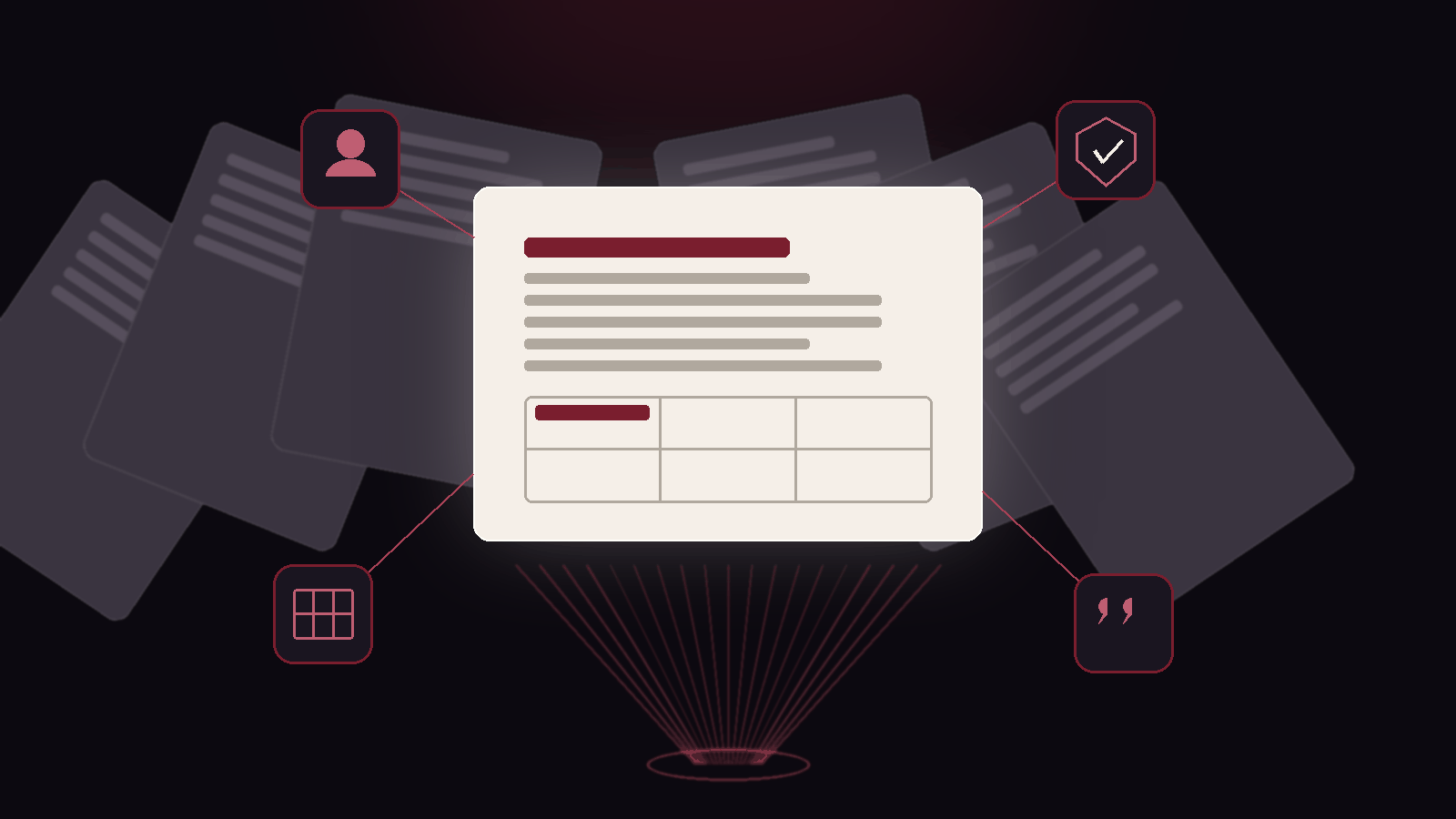
Structure, mostly. Assistants extract; they don’t interpret goodwill. A page earns citations by making the answer impossible to miss:
- The direct answer sits in the first 100 words. One bolded sentence that resolves the question, then the qualifications. Not an introduction about “the evolving landscape.”
- Headings are phrased as the questions patients type. An H2 that reads “How much does a first botox appointment cost?” is a retrieval target. “Our Pricing Philosophy” is not.
- At least one table. Tables get lifted and cited far more than prose, because they’re unambiguous.
- One question per page. A page that answers 12 things shallowly loses to 12 pages that each answer one thing well.
- A named author with real credentials. Assistants weigh who is making the claim. A licensed clinician’s name, with the credential marked up in structured data, is an advantage no anonymous marketing blog can copy.
That last point is the one most med spas leave on the table. You employ the credential. Use it. The article you’re reading follows every rule on this list, structured data included, which is exactly why I’m comfortable telling you the structure matters.
AI assistants repeat numbers with your name attached. Only publish figures you actually measured, and say where they came from. An invented statistic doesn’t just risk your credibility with one reader anymore. It gets synthesized into answers you’ll never see, cited to you.
What should a clinic owner actually do this month?
Five steps, in order. No tools to buy.
- Collect the 10 questions your front desk answers most. Not the questions you wish patients asked. The ones they actually ask, in their words. Your intake calls and DMs are the keyword research.
- Answer each one on its own page. Direct answer in the first 100 words, question-phrased headings, one table. 1,200 words of substance beats 3,000 words of filler.
- Put a clinician’s name and credential on every page. In the byline and in the structured data. Health questions get education-only framing: this is education, not medical advice, talk to your doctor.
- Ask the assistants your own questions monthly. Open ChatGPT and Perplexity, ask the 10 questions, and note who gets cited. That’s your rank tracker now, and it costs nothing.
- Ask new consults where they heard of you. “I asked ChatGPT” is already a real answer in intake conversations. If you’re not logging the source, you can’t measure whether any of this worked.
Where does AI SEO fit in the growth picture?
It’s an attention play. Attention is only the second chokepoint in the chain that runs from offer to attention to leads to appointments and on through to referrals. The work I do with clinics starts by finding which link in that chain is actually the constraint. Content poured into a practice that loses its leads at the booking step produces one thing: better-informed no-shows. If your show rate and speed to lead aren’t handled, handle those first; our post on AI receptionists for med spas covers the booking side of the same machine.
And when you do write, anchor it in measured reality. Our med spa marketing benchmarks exist because measured numbers, honestly sourced, are precisely what AI search wants to cite. The clinics that win AI SEO won’t be the ones that publish the most. They’ll be the ones a machine can safely quote. Tonight, somewhere in your city, a patient is asking the question. Either your pages answer her or a competitor’s do.